Viagra: answers to the most common questions about use, safety, and effectiveness
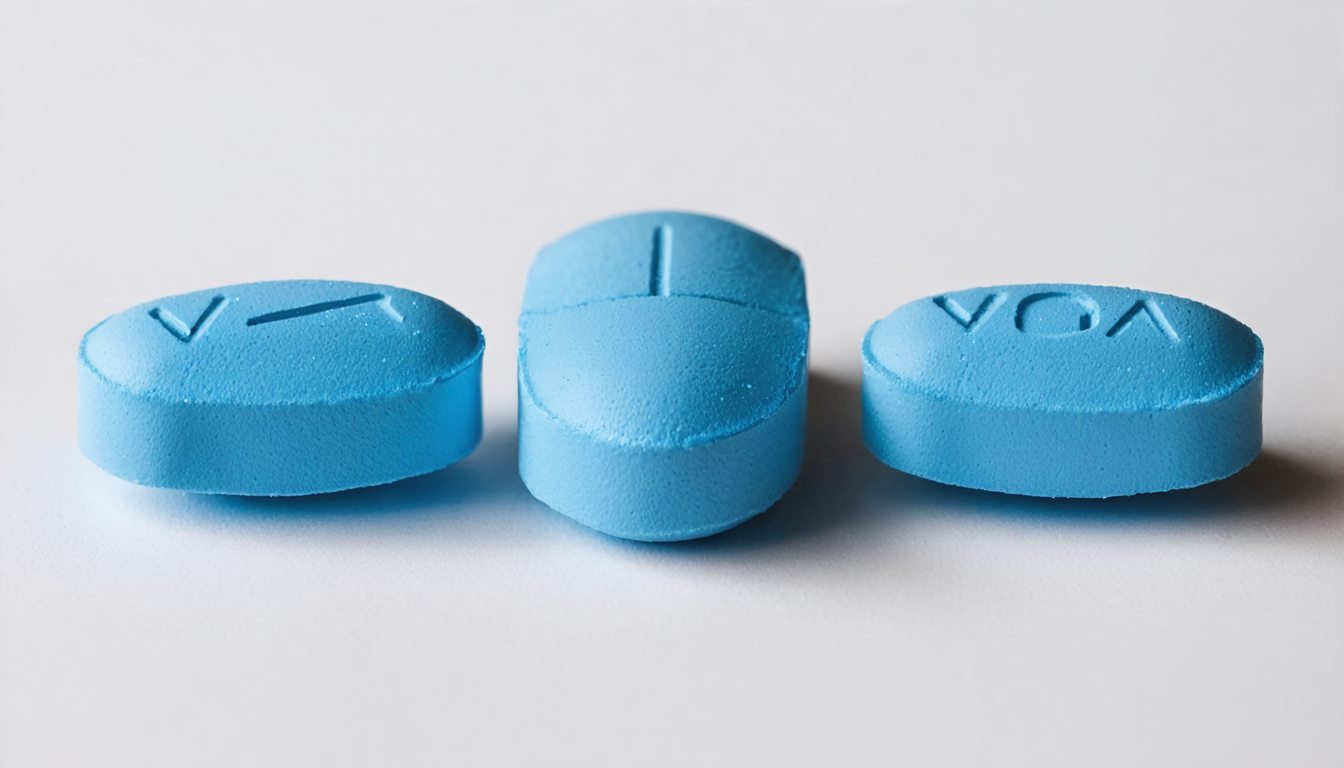
Viagra — answers to the main questions
Disclaimer: This article is for informational purposes only and does not replace consultation with a qualified healthcare professional. Always speak with your doctor before starting or changing any medication.
Frequently asked questions (FAQ block at the beginning)
What is Viagra?
Viagra is the brand name for sildenafil, a medication used to treat erectile dysfunction (ED) in men. It belongs to a group of drugs called phosphodiesterase type 5 (PDE5) inhibitors. It works by improving blood flow to the penis during sexual stimulation.
How does sildenafil work?
Sildenafil enhances the natural process of erection by relaxing blood vessels in the penis. It blocks the PDE5 enzyme, allowing blood vessels to widen and fill with blood more effectively. Sexual stimulation is still required for it to work.
Why does erectile dysfunction happen?
ED can result from physical causes (such as diabetes, heart disease, obesity, hormonal imbalance), psychological factors (stress, anxiety, depression), or a combination of both. Lifestyle habits like smoking and excessive alcohol use also contribute. Understanding the cause helps determine the best treatment approach.
How do I know if I need Viagra?
If you consistently have difficulty achieving or maintaining an erection sufficient for sexual activity, you may have ED. Occasional problems are common and not always a medical concern. A healthcare provider can evaluate your symptoms and overall health before recommending treatment.
How long does Viagra last?
Viagra typically starts working within 30–60 minutes and may last up to 4–6 hours. The duration can vary depending on age, metabolism, and overall health. It does not cause a continuous erection but supports erection during sexual arousal.
Is Viagra safe?
For most healthy men, sildenafil is considered safe when prescribed by a doctor. However, it may cause side effects and is not suitable for everyone, especially those taking nitrates for heart conditions. A medical review is essential before use.
What are the possible side effects?
Common side effects include headache, facial flushing, nasal congestion, upset stomach, and dizziness. Rare but serious reactions may include sudden vision or hearing loss, chest pain, or an erection lasting more than four hours (priapism). Seek urgent medical care if severe symptoms occur.
Can I take Viagra with other medications?
Viagra may interact with certain medications, especially nitrates, alpha-blockers, and some blood pressure drugs. Combining these can cause dangerous drops in blood pressure. Always inform your doctor about all medications and supplements you take.
Is it possible to buy Viagra without a prescription?
In many countries, Viagra requires a prescription. Some online platforms offer consultations before dispensing it. Be cautious of counterfeit products sold without medical supervision.
Can women take Viagra?
Viagra is not approved for use in women for sexual dysfunction. Research is ongoing, but its safety and effectiveness for women have not been clearly established. Women should consult a healthcare provider for appropriate options.
Does Viagra increase sexual desire?
No. Viagra improves blood flow but does not increase libido. Sexual desire depends on hormonal, psychological, and emotional factors.
When should I see a doctor about erectile dysfunction?
If ED is persistent, worsening, or accompanied by other symptoms such as chest pain or fatigue, consult a healthcare professional. ED can sometimes signal underlying cardiovascular disease or metabolic disorders.
Detailed breakdown
1. Mechanism of action and medical use
Sildenafil (Viagra) is primarily prescribed for erectile dysfunction. By inhibiting the PDE5 enzyme, it enhances nitric oxide effects in penile tissue, improving vascular relaxation. It does not cure ED but helps manage symptoms.
In some cases, sildenafil is also prescribed under medical supervision for pulmonary arterial hypertension (under a different brand name and dosage). This highlights its vascular effects beyond sexual health.
2. Causes and risk factors of erectile dysfunction
ED is often multifactorial. Cardiovascular disease, atherosclerosis, high blood pressure, and diabetes impair blood flow. Neurological conditions and prostate surgery may damage nerves involved in erection.
Psychological factors—performance anxiety, chronic stress, or depression—also play a role. Lifestyle factors discussed in our Health section such as smoking, poor diet, and sedentary habits significantly affect vascular function.
3. Safety considerations and contraindications
Viagra should not be used with nitrate medications (often prescribed for angina) due to the risk of severe hypotension. Caution is also needed for men with serious heart disease, recent stroke, or uncontrolled blood pressure.
Older adults and individuals with liver or kidney disease may require special medical assessment. For broader medication safety topics, see updates in our News category.
4. Side effects and warning signs
Most side effects are mild and temporary. However, immediate medical attention is necessary if you experience:
- Chest pain during sexual activity
- Sudden vision or hearing changes
- Severe dizziness or fainting
- An erection lasting more than 4 hours
These reactions are rare but potentially serious.
5. Alternatives and lifestyle approaches
Management of ED may include lifestyle changes, psychological counseling, vacuum erection devices, or other prescription medications. Improving cardiovascular health often improves erectile function.
Topics related to men’s wellbeing and lifestyle habits are regularly covered in our Lifestyle section.
Symptom/situation → urgency level → where to seek help
| Symptom / Situation | Urgency Level | Where to Seek Help |
|---|---|---|
| Mild headache or flushing | Low | Monitor; consult doctor if persistent |
| Persistent erectile dysfunction (weeks/months) | Moderate | Schedule appointment with primary care doctor or urologist |
| Chest pain during sexual activity | High | Emergency medical services |
| Erection lasting more than 4 hours | Emergency | Immediate emergency room visit |
| Sudden vision or hearing loss | Emergency | Urgent emergency care |
Checklist: what you can do today
- Track how often erectile difficulties occur.
- Review your current medications with a healthcare provider.
- Check blood pressure, blood sugar, and cholesterol levels.
- Reduce smoking and limit alcohol intake.
- Incorporate regular physical activity.
- Address stress or relationship concerns.
- Avoid purchasing medications from unverified online sources.
- Discuss cardiovascular risk factors with your doctor.
- Seek professional evaluation before starting any ED medication.
Sources
- U.S. Food and Drug Administration (FDA) — Sildenafil prescribing information.
- National Institutes of Health (NIH) — Erectile Dysfunction overview.
- American Urological Association (AUA) — Clinical Guidelines on Erectile Dysfunction.
- European Association of Urology (EAU) — Guidelines on Sexual and Reproductive Health.
- National Health Service (NHS, UK) — Sildenafil for erectile dysfunction.
- Mayo Clinic — Erectile dysfunction diagnosis and treatment.